Proposed legalization plan expands marijuana sales but limits new businesses
More than 440,000 adults in Louisiana already use cannabis, yet the state still operates one of the most tightly controlled marijuana systems in the United States. Now a new legalization proposal could expand cannabis sales — while potentially keeping control of the market in the hands of a small number of existing operators.
A bill introduced by Candace N. Newell would create the Louisiana Cannabis Pilot Program, allowing adults 21 and older to purchase recreational marijuana through the state’s existing medical cannabis system.
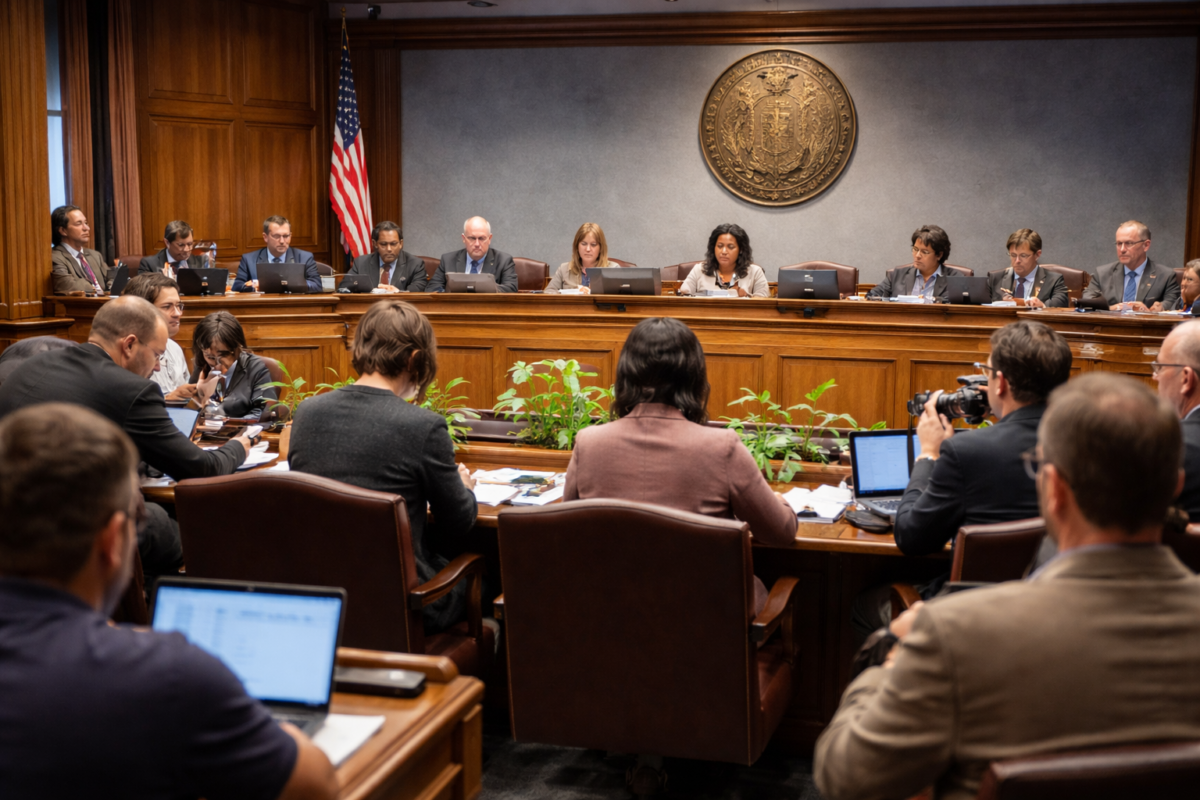
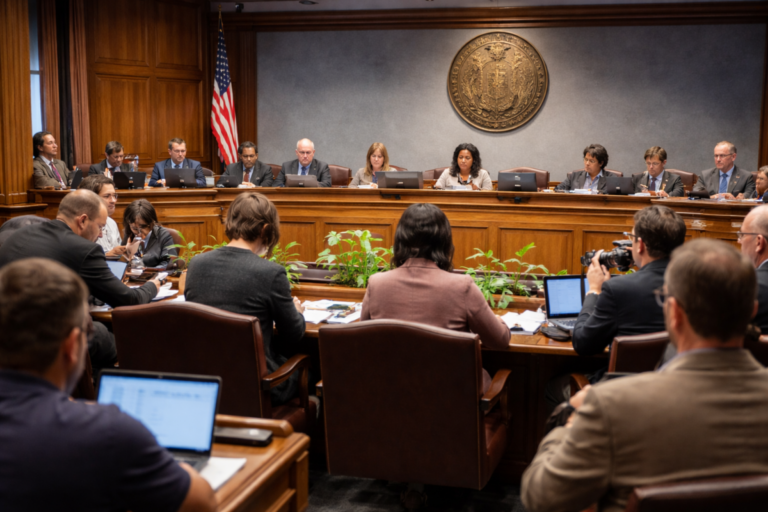
The proposal, known as House Bill 373, is currently pending review by the Louisiana House Health and Welfare Committee.
While supporters see the bill as a cautious step toward legalization, critics say the structure could lock out new entrepreneurs and preserve the dominance of the state’s current cannabis companies.
A Limited Cannabis Pilot Instead of Full Legalization
HB373 does not immediately legalize cannabis statewide.
Instead, the bill proposes a temporary pilot program scheduled to run through July 1, 2030. During that period, Louisiana regulators would monitor the adult-use market to determine whether permanent legalization makes sense.
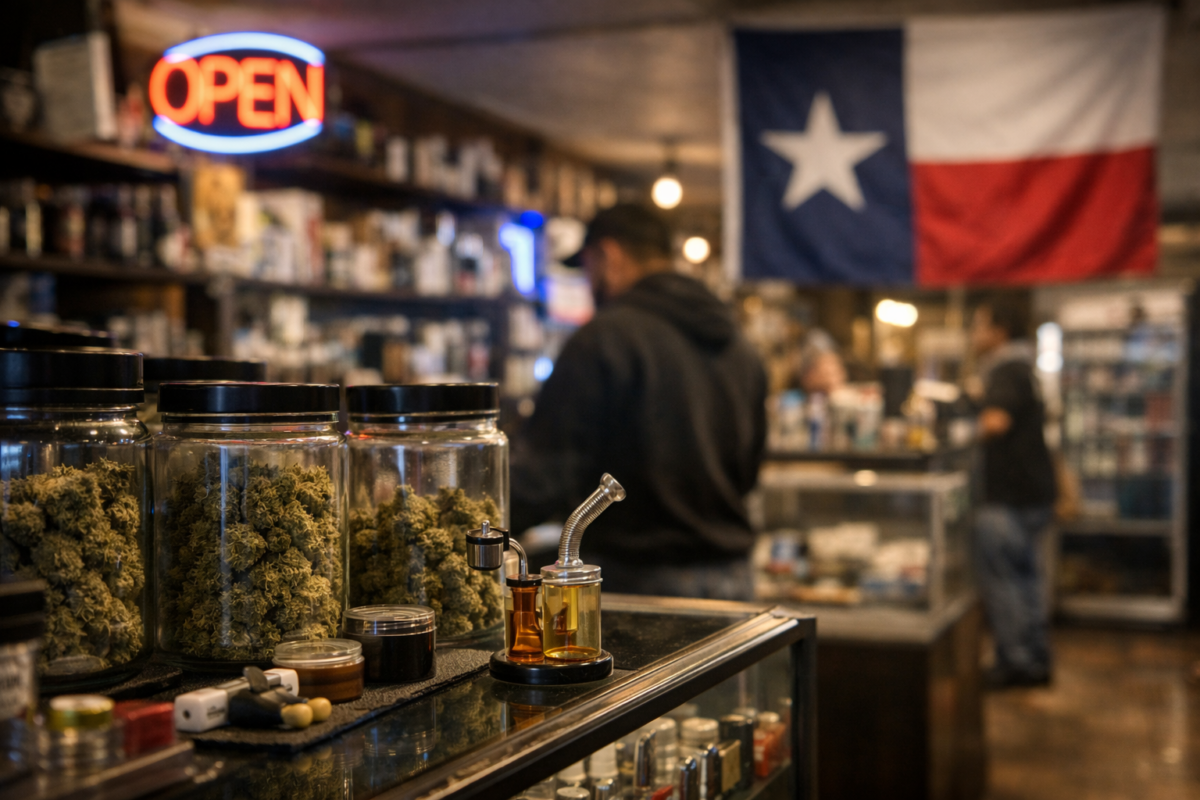
The program would allow recreational cannabis sales through dispensaries that already hold licenses to sell medical marijuana.
Supporters say that approach ensures safety and regulatory oversight.
However, it also means the existing cannabis industry would control the first phase of recreational legalization.
A Highly Controlled Cannabis Market
Louisiana already operates one of the most restrictive cannabis systems in the country.
Unlike states with open licensing systems, Louisiana limits cannabis production and retail distribution.
Currently the state has:
• only two licensed cannabis cultivation operations
• a limited number of dispensaries statewide
• strict regulatory oversight from the state
Under HB373, the same companies that currently operate the medical marijuana market would supply the recreational market.
The bill does not authorize new cultivation licenses, processing companies, or retail businesses.
That detail has sparked concern among some advocates.
Critics Say the Plan Could Limit Opportunity
Across the United States, cannabis legalization has often been tied to efforts to create economic opportunities for entrepreneurs — particularly those affected by marijuana prohibition.
But Louisiana’s pilot program takes a very different approach.
Because the bill relies on existing license holders, new businesses would not initially have a pathway into the market.
Critics argue that structure could limit opportunities for:
• small business owners
• minority entrepreneurs
• social equity applicants
In other states, legalization created thousands of new cannabis licenses.
Louisiana’s approach could keep the industry concentrated among a small number of companies.
Regulation Remains With the Louisiana Department of Health
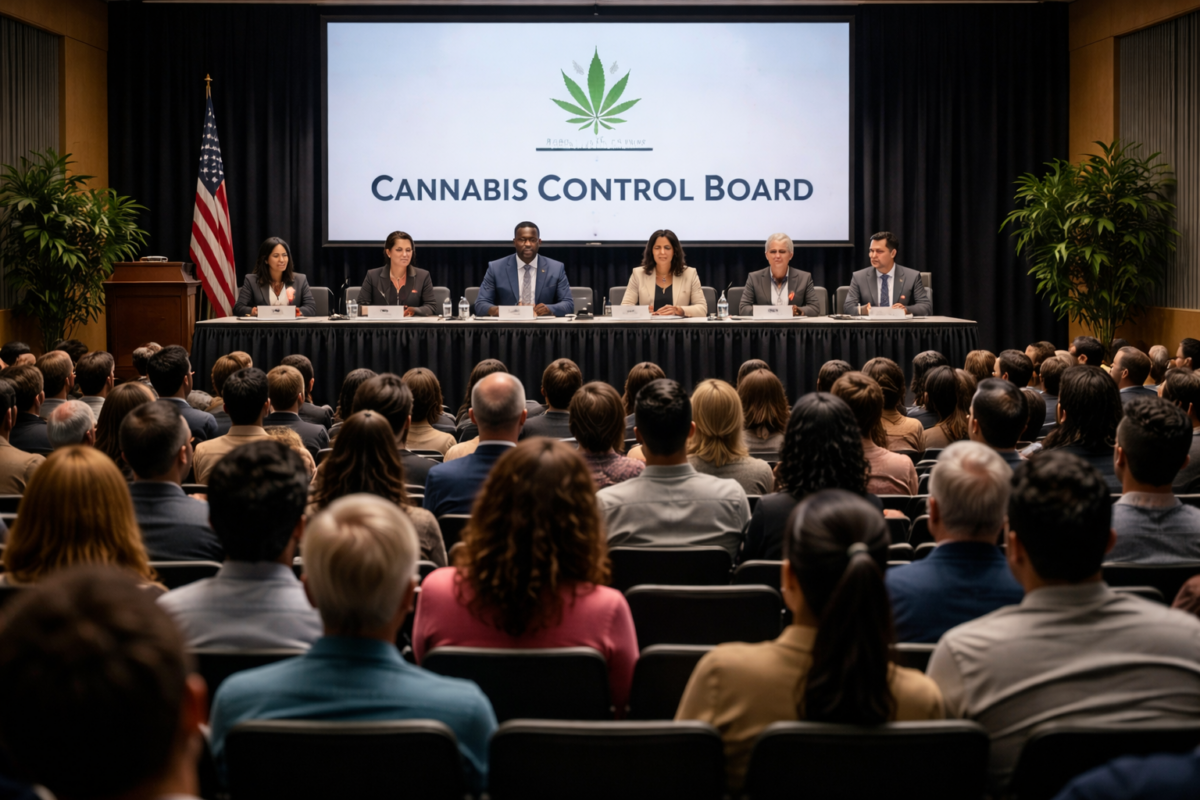
Under HB373, the Louisiana Department of Health would regulate the entire cannabis supply chain during the pilot program.
That includes oversight of:
• cultivation
• manufacturing
• testing laboratories
• transportation
• retail sales
All cannabis products would also be tracked through the state’s existing seed-to-sale monitoring system, which follows cannabis from cultivation through final purchase.
Supporters say those safeguards protect consumers and prevent illegal diversion.
New Fees and Cannabis Taxes
The bill also introduces financial provisions tied to the pilot program.
Participants would be required to pay an annual $5,000 permit fee to operate under the recreational pilot program.
In addition, the legislation creates a 3.5 percent wholesale fee on cannabis sales, applying to both medical and recreational products.
Supporters believe legalization could eventually generate hundreds of millions of dollars in tax revenue if the market expands.
However, critics say the limited market structure could reduce competition and slow economic growth.
Criminal Justice and Public Health Debate
Cannabis legalization remains politically controversial in Louisiana.
Supporters argue that regulating cannabis could reduce arrests tied to low-level marijuana offenses and shift enforcement resources toward more serious crimes.
Opponents, including Louisiana Attorney General Liz Murrill, have warned that legalization could increase cannabis consumption and create public health risks.
The debate reflects a broader national conversation about marijuana policy and the role of government regulation.
What Happens Next
HB373 is currently awaiting review by the Louisiana House Health and Welfare Committee as the legislative session begins.
If the bill advances, lawmakers will debate whether Louisiana should proceed with the pilot program.
Even if the legislation does not pass immediately, the proposal signals that cannabis policy conversations are accelerating across the Southern United States.
For Louisiana, the bigger question may not be whether legalization arrives — but who will control the market when it does.
Black Cannabis Magazine is your go-to platform for cannabis culture, news, and lifestyle content with a focus on diversity and inclusion. For more information, visit www.blackcannabismagazine.com.
Copyright 2026 Black Cannabis Magazine. Distributed by Hazey Taughtme, LLC.