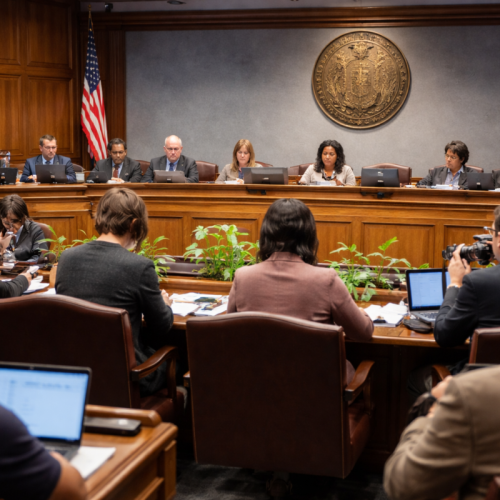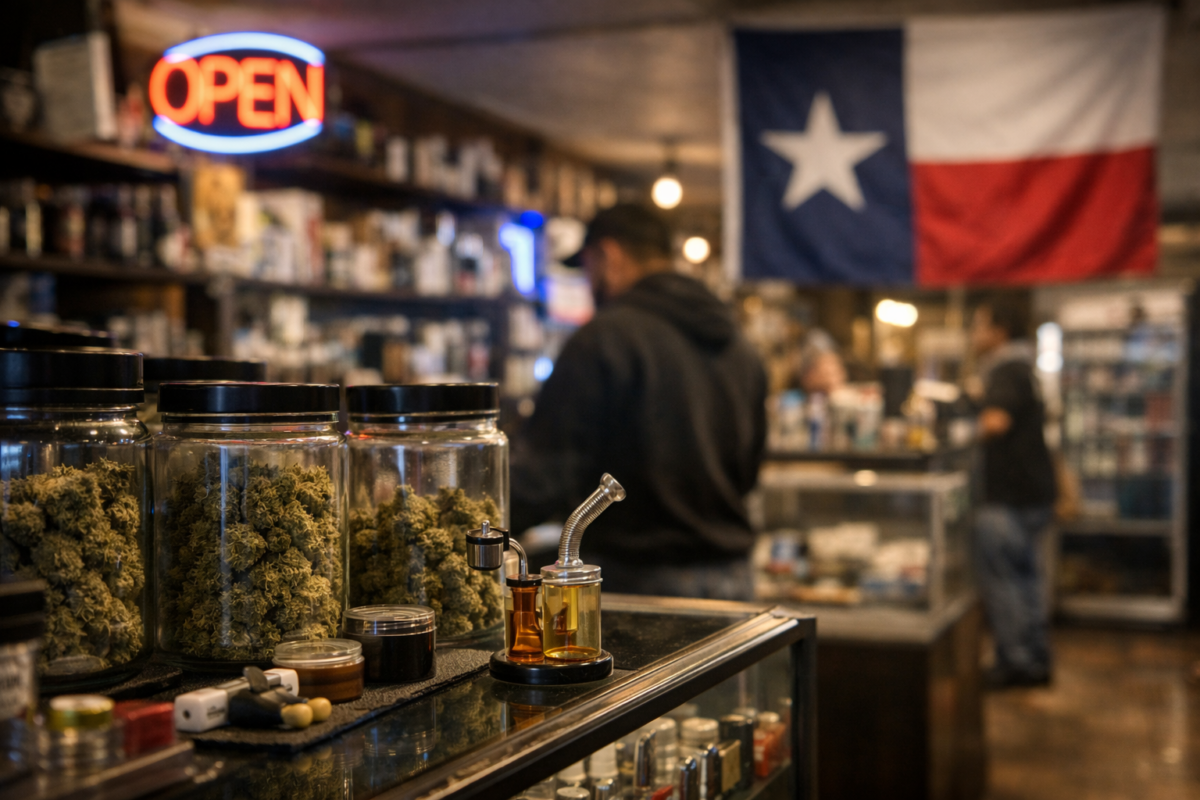
Texas regulators have approved sweeping new hemp regulations that will remove smokable hemp products from store shelves statewide by March 31.
The rules adopted by the Texas Department of State Health Services change how THC is calculated in hemp products. The change effectively outlaws popular items like THCA flower and hemp derived smokables that have dominated the state’s retail market in recent years.
The decision follows months of debate after the Texas Legislature failed to agree on whether THC products should face tighter regulation or a full ban. Governor Greg Abbott previously issued an executive order calling for stronger oversight of the fast growing hemp industry.
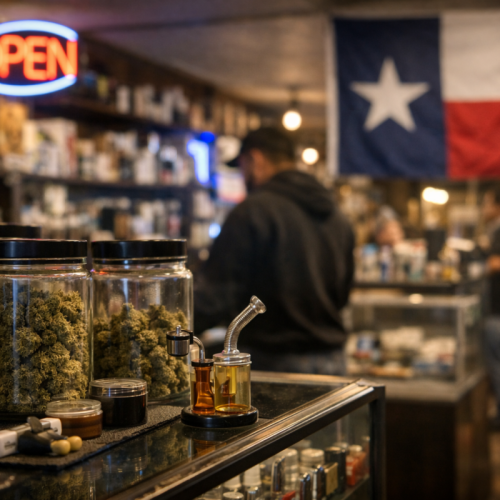
The new regulations arrive as the hemp economy expands nationwide. The United States hemp market is estimated to generate more than 8 billion dollars annually, while Texas alone has more than 9,100 retail locations registered to sell hemp products.
Texas Rewrites the Rules on THC
Under Texas law passed in 2019, hemp products remain legal if they contain no more than 0.3 percent Delta 9 THC by dry weight.
The new regulation introduces a total THC calculation that includes THCA. THCA converts into Delta 9 THC when cannabis is heated or smoked.
This change closes the loophole that allowed THCA flower to thrive in Texas smoke shops and hemp retailers.
For many businesses, THCA flower became the backbone of their operations. Retailers argue the products were legal under existing law and that regulators have now changed the interpretation rather than the statute itself.
Hemp Retailers Face Massive Fee Increases
The regulations also bring significant licensing fee increases for businesses that sell or manufacture hemp products.
Retail stores must now pay 5,000 dollars annually per location. Manufacturers will face annual licensing fees of 10,000 dollars.
Those fees represent a major jump from the current structure. Hemp retailers previously paid around 150 dollars each year.
Industry leaders say the new fees could force many smaller operators out of the market. Texas currently has more than 9,100 registered hemp retail locations.
Some store owners believe the new rules combined with the smokable ban could dramatically reshape the industry.
For many hemp stores, flower products represent nearly half of total sales.
Businesses Warn of Illicit Market Growth
Cannabis policy advocates warn that removing smokable products could push consumers toward the underground market.
Industry groups argue regulated hemp stores provide age verification and product testing standards that illegal sellers do not.
When consumers lose access to regulated products, they often turn to unregulated sources.
Advocates say this creates safety risks because illicit cannabis products often lack testing requirements and consumer protections.
Some industry leaders are already discussing legal challenges to the new rules.
How the Policy Affects the Hemp Industry
Texas has one of the largest hemp markets in the United States.
The state’s hemp retail footprint rivals the number of licensed cannabis dispensaries across many legal states.
For entrepreneurs in the cannabis space, Texas has represented a rare opportunity to operate in a state without full marijuana legalization.
However the new rules signal a major shift in how Texas regulators view the hemp market.
Businesses will now need to adapt to stricter THC calculations, new testing standards, and higher operating costs.
The National Cannabis Conversation
The Texas decision reflects a broader national trend as states attempt to close loopholes in the federal hemp framework created by the 2018 Farm Bill.
Across the country lawmakers are reconsidering how hemp derived THC products should be regulated.
Many states now face pressure to clarify rules around THCA flower, Delta 8 products, and other hemp derived cannabinoids.
The debate highlights a growing tension between federal hemp legality and state level cannabis policy.
What Happens Next
The rules will take effect March 31, giving retailers limited time to remove smokable hemp products from their shelves.
Industry groups are already signaling possible legal challenges, arguing that regulators overstepped their authority.
At the same time lawmakers may revisit hemp regulations during future legislative sessions.
For now Texas businesses must decide whether to pivot toward edible products or exit the market entirely.
Black Cannabis Magazine is your go to platform for cannabis culture news and lifestyle content with a focus on diversity and inclusion. For more information visit www.blackcannabismagazine.com.
Copyright 2026 Black Cannabis Magazine. Distributed by Hazey Taughtme LLC.