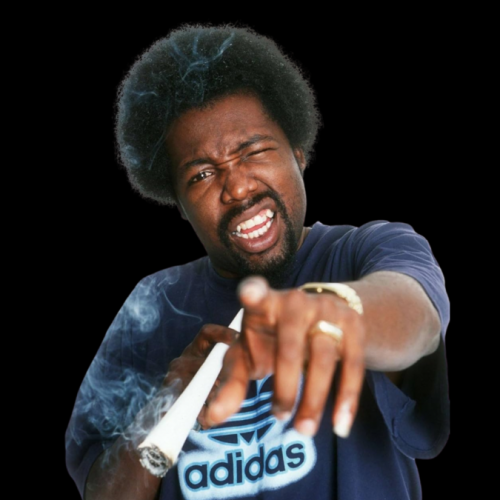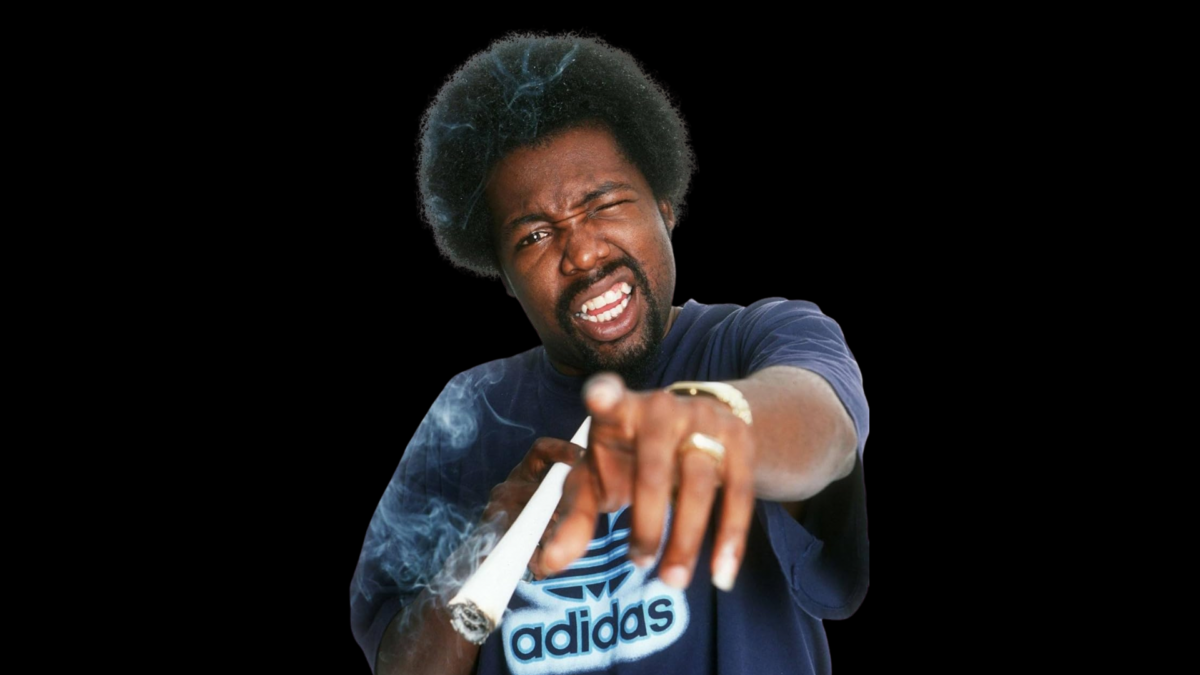
A strange legal battle between hip-hop and law enforcement is heading to trial. Rapper Afroman is scheduled to appear in court on March 16 after sheriff’s deputies sued him over a music video built from footage of a police raid on his home.
The footage came from a 2022 search of the rapper’s Ohio property. Deputies with the Adams County Sheriff’s Officeentered the home with a warrant tied to an investigation involving suspected drugs and possible kidnapping victims.
However, the case quickly collapsed.
Authorities found no kidnapping victims and filed no criminal charges against the rapper, whose real name is Joseph Foreman. The investigation ended quietly. Yet the fallout from the raid has turned into an unexpected legal dispute that blends hip-hop creativity, property rights, and freedom of speech.
Now the courts will decide whether turning police footage into music content crosses a legal line.
How the Afroman Police Raid Began
In August 2022, deputies executed a search warrant at Foreman’s home in Adams County, Ohio. Investigators believed they might uncover evidence connected to drug activity or potential victims being held inside the property.
According to reports, officers searched the house and seized thousands of dollars in cash during the raid.
Eventually, authorities returned the money after determining the investigation would not result in charges. However, Foreman has publicly stated that roughly $400 from the seized cash never made it back to him.
The rapper also says the search left significant property damage.
Doors, gates, and interior parts of the home were damaged during the operation. Foreman claims the sheriff’s department told him it was not responsible for covering repair costs after the search concluded.
That frustration became creative fuel.
Rather than quietly moving on, the rapper turned the experience into content.
The Music Video That Sparked a Lawsuit
Foreman installed security cameras around his home before the raid occurred. Those cameras captured deputies entering and moving through the property during the search.
Instead of keeping the footage private, he incorporated it into a music video.
The video features deputies moving through the home while Foreman performs lyrics about the raid, the damage to his property, and the financial stress that followed.
From the artist’s perspective, the video served two purposes. First, it documented what happened during the search. Second, it helped generate revenue to repair the damage left behind.
For fans of the rapper—who built a career mixing humor with real-life storytelling—the approach fits his style.
However, the deputies seen in the footage strongly disagree.
Several officers who appear in the video filed a lawsuit claiming their likenesses were used without permission. They argue the video subjects them to ridicule and public attention.
Their lawsuit claims emotional distress, invasion of privacy, and unauthorized commercial use of their images.
The Afroman Countersuit
Foreman responded with a countersuit.
He argued that deputies caused damage to his property during the raid and should be responsible for paying for repairs. The countersuit also challenged how the raid was conducted and how authorities handled the aftermath.
Earlier this year, however, a judge dismissed those claims.
Judge Jonathan P. Hein ruled in February that the rapper’s claims could not move forward in court.
Foreman has publicly criticized that decision, saying the case was dismissed without a hearing where he could present his arguments.
The ruling means the focus now shifts back to the deputies’ lawsuit against him.
Freedom of Speech vs. Personal Rights
The trial will center on a major legal question: where the line exists between artistic expression and personal rights.
Foreman argues that the video represents his own lived experience. The footage came from cameras inside his home. The lyrics describe what happened to him during the raid.
From that perspective, he believes the video falls under protected speech.
The deputies see the situation differently.
They argue the footage exposes them to public scrutiny and ridicule in a commercial music project. Their lawsuit suggests the video turns a law enforcement operation into entertainment at their expense.
Courts have historically struggled with similar cases involving police footage, documentaries, and media portrayals of real events.
The outcome may set an interesting precedent.
Why the Case Matters in Cannabis Culture
Although the lawsuit does not directly involve cannabis charges, the raid itself was linked to suspicions of drug activity. That connection places the case within a broader conversation about how law enforcement interacts with cannabis culture.
Artists across hip-hop have long used music to document encounters with police. From street narratives to protest songs, those stories often shape public perception of policing.
Foreman’s video represents a modern version of that tradition.
Instead of simply rapping about the experience, he used real security footage to show it.
That approach reflects a new reality where surveillance cameras, smartphones, and social media blur the line between personal documentation and public storytelling.
At the same time, the case highlights tensions between law enforcement and cultural expression.
When raids lead to no charges, the individuals targeted sometimes turn to media, lawsuits, or public commentary to tell their side of the story.
This trial will test whether artists can legally transform those moments into commercial creative work.
What Happens Next
The trial scheduled for March 16 will determine whether the deputies’ claims move forward and whether Foreman faces financial damages related to the video.
Legal observers say the outcome could influence how artists use real footage involving law enforcement.
If the deputies succeed, musicians and filmmakers may become more cautious about including identifiable officers in their projects.
If Foreman prevails, the decision could reinforce broader protections for creative works that document real events.
Either way, the case has already turned an unusual police raid into one of the more unexpected courtroom battles involving hip-hop in recent years.
For now, the rapper best known for “Because I Got High” finds himself in a legal fight over something entirely different: whether telling your own story can land you in court.
Black Cannabis Magazine is your go-to platform for cannabis culture, news, and lifestyle content with a focus on diversity and inclusion. For more information, visit www.blackcannabismagazine.com.
Copyright 2026 Black Cannabis Magazine. Distributed by Hazey Taughtme, LLC.