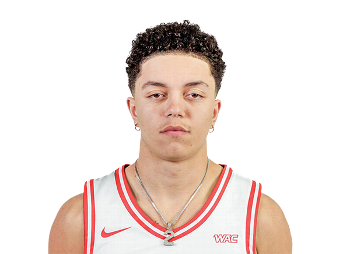
A Division One college basketball player from Nevada will spend the next three and a half years in prison after authorities discovered more than $410,000 worth of cannabis in his luggage at Dublin Airport.
The case stunned both the sports world and international drug enforcement officials. The athlete once ranked among the most promising college players in the United States. Now he faces prison time and the collapse of a career that once looked destined for professional basketball.
Arrest at Dublin Airport
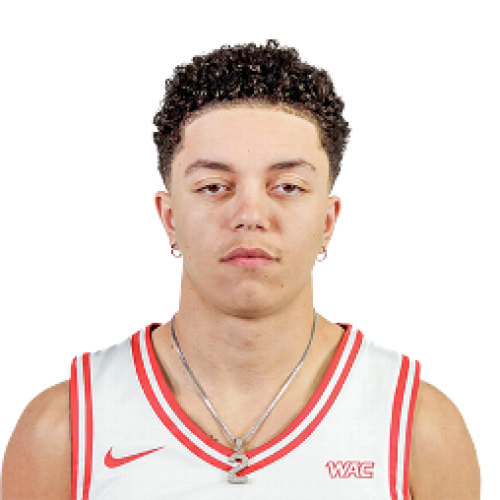
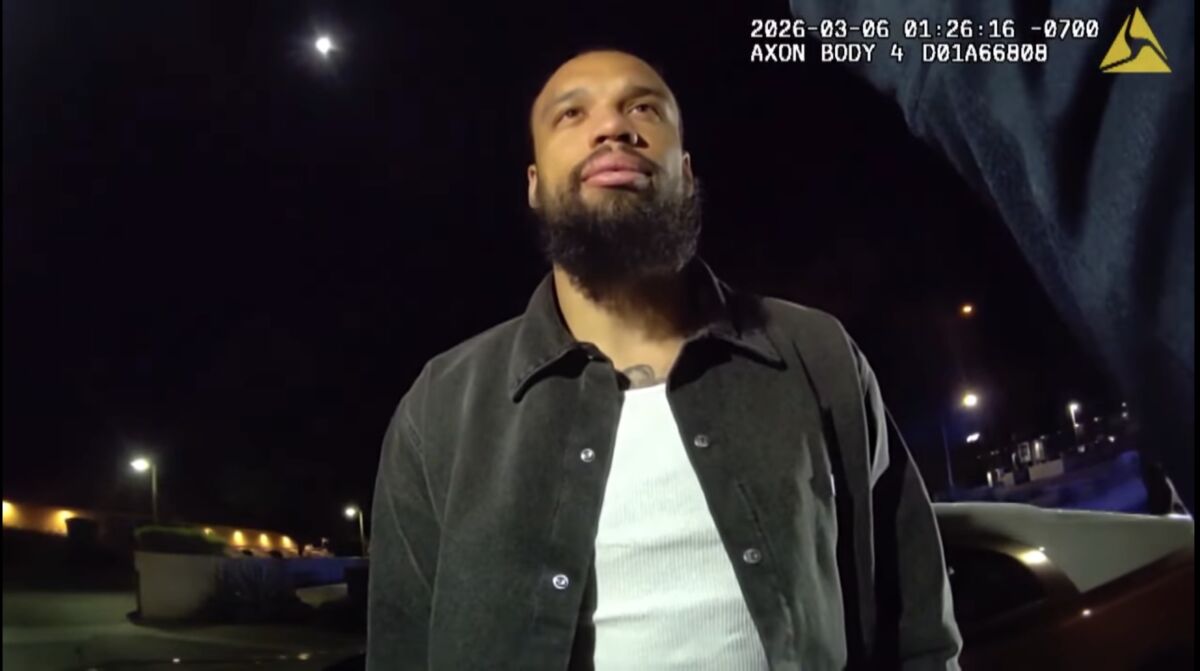
Authorities arrested 22-year-old Kristaps Kambala on June 23, 2025, after he arrived at Dublin Airport on a flight from Bangkok.
Airport officials noticed behavior they considered suspicious during the arrival process. Security officers then directed his luggage through an x-ray scanner for further inspection.
The suitcase raised immediate concerns.
Officials saw numerous sealed packages tightly packed inside the bag. Security asked Kambala to open the luggage. He said he did not have the key.
Authorities then used bolt cutters to break the lock.
Inside the suitcase, investigators discovered 38 vacuum-sealed packages of cannabis.
Laboratory testing later confirmed the packages contained 19 kilograms of cannabis, valued at about $410,000 (€381,000).
Officers arrested Kambala immediately.
Intended Drug Transfer
During questioning, Kambala admitted the luggage belonged to him. However, he told investigators that someone else had packed the cannabis inside the suitcase.
He explained that he planned to meet another individual at the airport and hand over the bag.
Authorities determined the drugs were intended for sale or supply within Ireland, which carries serious penalties under Irish law.
Irish courts treat large-scale drug importation as a major trafficking offense.
Even when defendants claim they acted under someone else’s direction, the courts still view couriers as key participants in drug distribution networks.
Cannabis Smuggling Sentence
Kambala pleaded guilty to the charges at Dublin Circuit Criminal Court.
Judge Orla Crowe sentenced him to three years and six months in prison.
The sentence was backdated to the date he first entered custody following his arrest.
The judge noted that the amount of cannabis involved was significant. She also pointed out that the suitcase would have been extremely heavy given the amount of drugs inside.
The court acknowledged several mitigating factors.
Kambala had no previous criminal record anywhere in the world. He also entered an early guilty plea and received strong character references from supporters.
However, the value and scale of the cannabis importation remained a serious aggravating factor.
A Promising Athlete’s Career Collapses
Defense lawyers told the court that Kambala had built a strong reputation in American college basketball.
According to the defense, he ranked among the top one percent of Division One athletes in the United States.
He had secured a college scholarship through both athletic performance and academic ability.
His legal team described him as a highly disciplined athlete who had spent years working toward a professional career.
However, the arrest immediately ended those opportunities.
The court heard that Kambala had already lost his sports scholarship following the incident.
Instead of preparing for another basketball season, he now faces several years in prison and the challenge of rebuilding his life afterward.
A Global Background
Kambala grew up in an international family connected to professional basketball.
He was born in Spain before later moving to the United States.
His father, originally from Latvia, played professional basketball and stood nearly seven feet tall. The career required constant international travel.
Although Kambala stands around six feet tall, he built his own basketball career through determination and skill.
Family members described his mother as the driving force behind his education and athletic development. She attended the court hearing in Dublin to support her son.
Why This Cannabis Smuggling Case Matters
The case highlights a growing legal reality for Americans traveling abroad.
Cannabis laws in the United States have changed dramatically during the past decade. Many states now allow recreational use and retail sales.
However, most countries still enforce strict drug importation laws.
Ireland maintains tough penalties for cannabis trafficking. Large-scale importation often results in multi-year prison sentences.
Travelers sometimes underestimate how serious international drug laws remain.
Legal experts warn that transporting cannabis across borders can trigger severe criminal charges regardless of where the drugs originated.
Cannabis Legalization Does Not Apply Internationally
The Kambala case also illustrates a broader tension within global cannabis policy.
In the United States and Canada, legal cannabis markets generate billions in annual revenue. The industry continues to expand through legalization and regulation.
At the same time, many nations still treat cannabis trafficking as a serious criminal offense.
International airports remain one of the most heavily monitored environments for drug trafficking.
Customs officers rely on advanced scanning equipment, behavior analysis, and intelligence sharing to identify suspicious travelers.
As a result, smuggling attempts often fail before leaving the airport terminal.
A Life Rewritten
For Kristaps Kambala, the consequences extend far beyond a prison sentence.
His athletic career has stalled. His scholarship has disappeared. His reputation has taken a serious hit.
Young athletes often spend years building opportunities in competitive sports.
One poor decision can undo all of that progress.
Instead of preparing for professional basketball, Kambala now faces years behind bars and the long process of rebuilding his life once he is released.
Black Cannabis Magazine is your go-to platform for cannabis culture, news, and lifestyle content with a focus on diversity and inclusion. For more information, visit www.blackcannabismagazine.com.
Copyright 2026 Black Cannabis Magazine. Distributed by Hazey Taughtme, LLC.