
May 11, 2021


← Back to The Cannabis Strain Encyclopedia
Part of the Cannabis Strain Encyclopedia, a series documenting the strains that shaped modern cannabis genetics.

Hindu Kush strain is one of the most important landrace cannabis strains in history. The plant developed naturally in the rugged Hindu Kush mountain range, a region stretching across Afghanistan and northern Pakistan. For centuries, farmers in this area cultivated cannabis for hashish production, selecting plants with heavy resin and strong aromatic qualities.
The harsh mountain climate shaped the genetics of Hindu Kush. Cold nights, high altitudes, and dry conditions encouraged plants to produce dense buds covered in thick trichomes. These traits made Hindu Kush an ideal source of resin for traditional hash-making.
Hindu Kush became a cornerstone of modern cannabis breeding during the 1970s when seeds from Afghanistan began reaching growers in Europe and North America. Breeders quickly realized the plant’s potential.
Its compact structure, fast flowering time, and resin production made it perfect for indoor cultivation. Many famous indica strains trace their lineage back to Hindu Kush genetics.
The Kush family—including strains like OG Kush, Bubba Kush, and Purple Kush—owes much of its stability and structure to these original mountain plants.
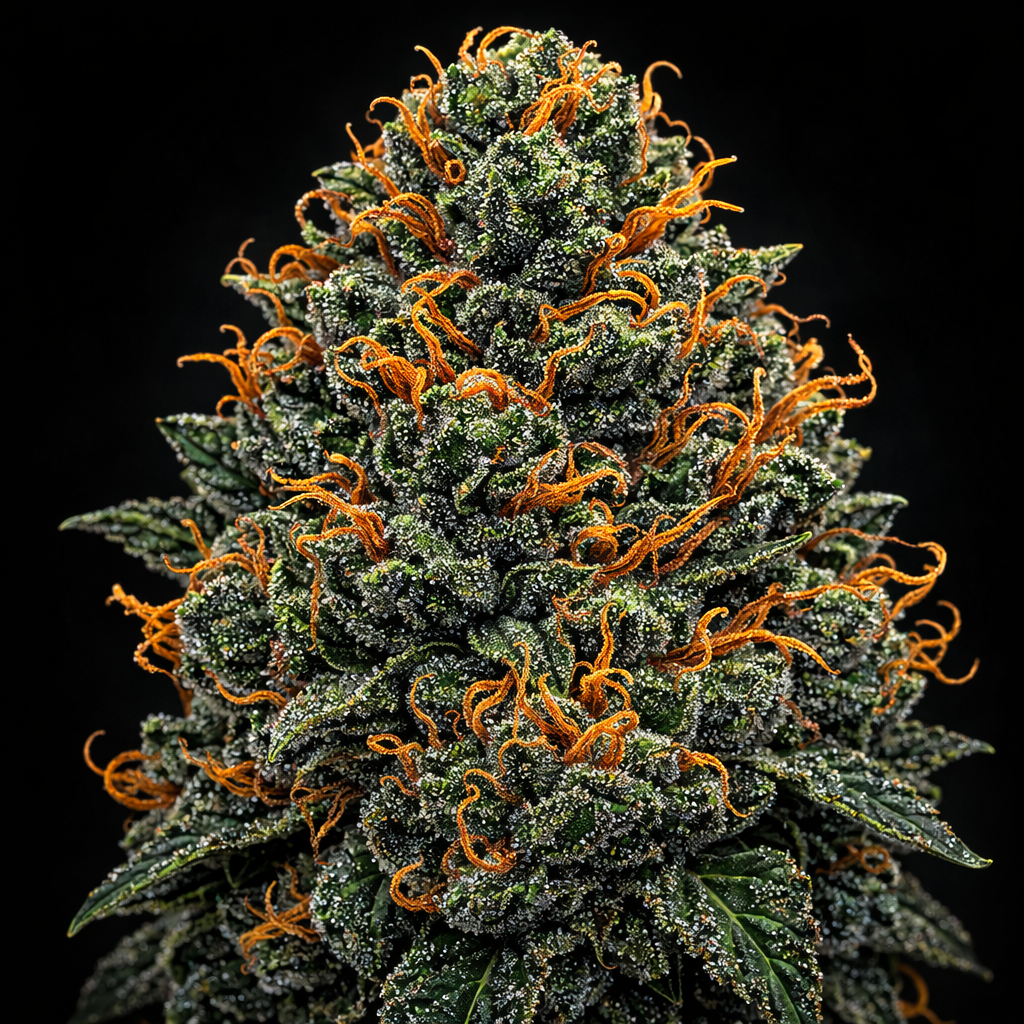
Hindu Kush plants typically grow short and sturdy, with wide leaves and dense buds. The flowers are often bright green with orange pistils and a heavy layer of trichomes. Because the strain evolved in a dry mountainous climate, it developed thick resin glands that protect the plant from harsh environmental conditions.
These resin-rich buds made Hindu Kush particularly valuable for hashish production in Afghanistan and Pakistan, where cannabis has long been processed into traditional pressed hash.
The terpene profile of Hindu Kush is distinctive. The strain is known for earthy, woody aromas often accompanied by notes of sandalwood, spice, and subtle sweetness. Many cannabis enthusiasts associate these scents with the classic “old world” cannabis experience.
These aromas later influenced the flavor profiles of many Kush hybrids that dominate dispensaries today.
Hindu Kush occupies a central position in the genetic history of modern cannabis. As a stable landrace strain that developed naturally in the Hindu Kush mountain range, it contributed many of the structural traits associated with indica varieties, including compact growth, dense flowers, and heavy resin production.
When breeders in Europe and North America began experimenting with hybridization during the 1970s, Hindu Kush genetics provided stability and reliability in breeding programs. Many Kush-family strains—including OG Kush, Bubba Kush, and Purple Kush—trace part of their lineage back to plants originating from this region.
Because of its influence on modern breeding, Hindu Kush remains one of the most important reference points for understanding the genetic foundations of cannabis.
Hindu Kush represents a connection to cannabis history before large-scale breeding programs transformed the plant. Long before the global cannabis market existed, farmers in the Hindu Kush mountains were cultivating and refining this plant for resin production and traditional use.
Today, the strain serves as a genetic reminder of cannabis’s origins and the natural evolution of the plant before modern hybridization.
Even in the era of designer genetics and boutique cultivars, Hindu Kush remains one of the most influential strains ever discovered. Its genetics helped build the foundation for countless modern hybrids and contributed to the global popularity of Kush varieties.
For cannabis historians and breeders alike, Hindu Kush stands as one of the most important landrace strains ever cultivated.
These foundational cannabis varieties evolved naturally in specific regions of the world and helped shape modern cannabis genetics.
Explore the Full Cannabis Strain Encyclopedia