They say you can’t bring back a moment once it’s gone—but High Times is about to try.
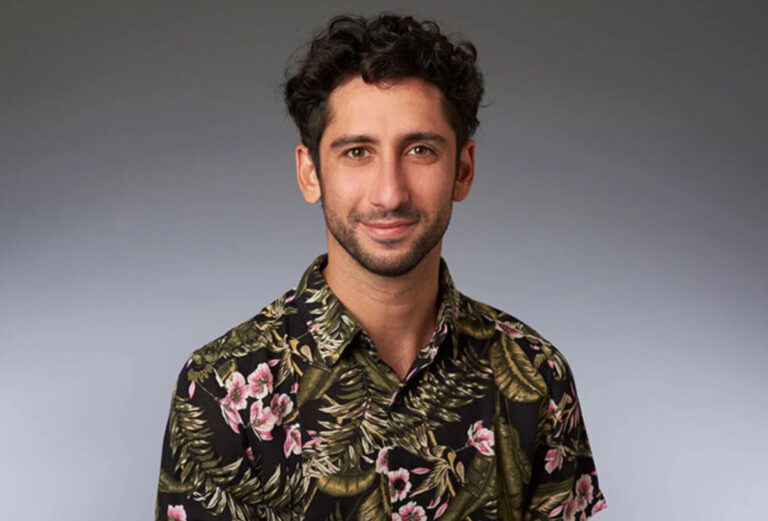
On July 11, 2025, cannabis journalist Javier Hasse was named Acting Editor-in-Chief of High Times, the once-iconic weed culture magazine. The appointment follows a $3.45 million acquisition of the brand by RAW Rolling Papers founder Josh Kesselman, alongside industry vet Matt Stang. The mission? Resurrect a publication that once defined cannabis journalism—before it lost its way in the hands of private equity.
And if everything goes as planned, this isn’t just a revival—it’s a course correction.
From Counterculture Icon to Corporate Casualty
Founded in 1974 by Tom Forçade, High Times wasn’t just a magazine—it was a movement. It gave weed a voice long before legalization was even a whisper. It profiled legends like Bob Marley, Hunter S. Thompson, and Snoop, all while pushing the line between journalism and underground culture.
But that rebel energy didn’t survive the buyout. In 2017, the magazine got scooped up by a private equity firm led by Adam Levin. What followed was a mess: more than $20 million in debt, lawsuits, and eventually, Levin pleading guilty to federal conspiracy charges tied to a stock fraud scheme. By 2023, High Times was up for liquidation. The soul of the brand had been sold—and smoked.
The RAW Redemption
That’s where Josh Kesselman enters the picture.
The RAW Rolling Papers founder didn’t just buy High Times—he bought it with intention. This wasn’t some stunt. For Kesselman, a longtime fan who grew up reading the magazine, this is personal. The $3.45M all-cash deal included the rights to the magazine and the Cannabis Cup event series.
He’s not in it for clout or a flip—he wants to break even. In his own words, this is about “bringing back something real.” He even threw in an additional $1.85M to get the reboot off the ground.
Alongside him is Matt Stang, who knows the High Times playbook inside and out. As a former co-owner and the architect behind the global rise of the Cannabis Cup, Stang’s got institutional memory—and a clear vision of how to make it matter again.
Javier Hasse Takes the Helm
To lead the editorial comeback, Kesselman tapped award-winning journalist Javier Hasse, known for his work at Forbes, Rolling Stone, and El Planteo. Hasse isn’t just another name in cannabis media—he’s respected by industry insiders and street-level readers alike. His style? Thoughtful, data-backed, and community-driven.
Hasse’s approach is rooted in trust. Not just in brands, but in people. He’s not here to make weed look cool—it already is. He’s here to tell stories that matter to the people who matter. That includes legacy growers, policy activists, artists, and everyday smokers alike.
And judging by the early reactions on social media, people are rocking with the choice.
What’s Coming Next?
Let’s be real: a name like High Times doesn’t carry the weight it used to—not in today’s content-heavy, algorithm-choked internet. But the comeback plan is comprehensive.
Here’s what’s on deck:
-
Collectible print editions for die-hards
-
A revamped Cannabis Cup judged by independent third parties
-
New digital content with video, podcasts, and interviews
-
Influencer and community collabs
-
RAW x High Times crossover products like co-branded rolling papers
They’re leaning into nostalgia while adapting for the new consumer—someone who values quality content, but expects modern delivery.
The Baggage and the Blueprint
Look, nobody’s pretending this will be easy. The new team inherits a lot—some of it great, some of it grimy.
Kesselman himself has battled lawsuits tied to business partnerships. Stang’s name has come up in past legal controversies too. And the cannabis media landscape is packed right now—with niche outlets, creator-driven channels, and culture-first platforms all jockeying for attention.
But High Times still has name recognition. And if Kesselman, Stang, and Hasse stick to the plan—authentic storytelling, transparency, community—they could turn the tide.
This isn’t about chasing the latest strain drop or influencer trend. It’s about honoring the past while making room for the present—and the future.
Is High Times Still Relevant?
That’s the real question.
In a world where anyone with a phone can start a weed blog or podcast, does a legacy brand still have power?
The answer depends on how High Times shows up this time. Will it be another nostalgia play that burns out quick? Or will it finally return to what made it great: fearless reporting, cultural relevance, and giving a voice to the people who built this industry before the licenses showed up?
If Hasse’s editorial vision holds and the new ownership stays out of its own way, High Times might just remind the world why it mattered in the first place.
And if they do it right, this comeback won’t just make headlines—it’ll make history.