New York’s legal cannabis market launched with big promises. It aimed to repair damage from decades of prohibition. Many early licenses went to people harmed by past marijuana arrests. The goal was simple. Those most affected would finally benefit from legalization.
However, the reality has been far more complicated.
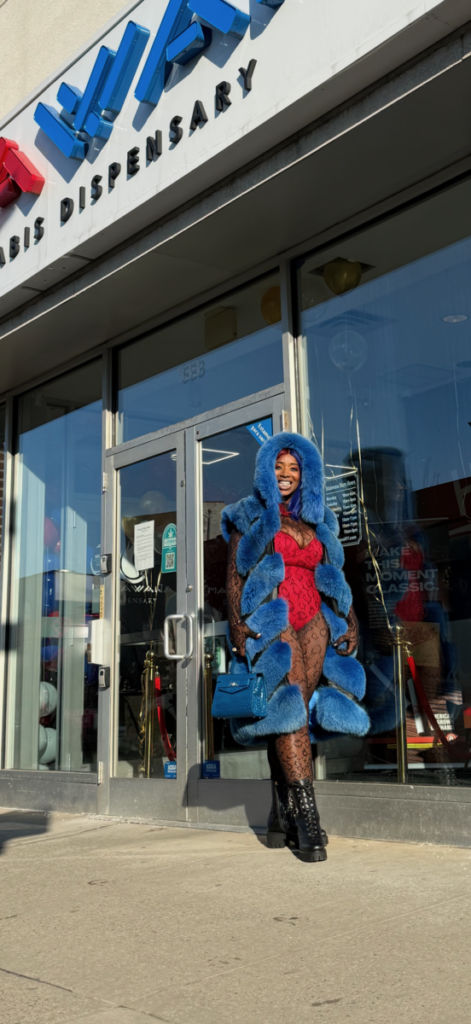
One of the most visible examples now sits in the center of a growing legal battle. Leeann Mata, the first Black woman to open a licensed cannabis dispensary in Brooklyn, is now locked in a dispute with the nonprofit that helped launch her store. The conflict highlights the financial pressure, contract disputes, and power struggles shaping New York’s legal cannabis rollout.
The lawsuit seeks $2.5 million in damages, and both sides claim the other failed to honor their agreement.
A Historic Dispensary Opening
Leeann Mata made history when she opened Matawana, a legal cannabis dispensary located in Park Slope, Brooklyn. Her store represented a major milestone in New York’s effort to create an equitable cannabis industry.
View this post on Instagram
Mata qualified for an early license under New York’s social equity program. The initiative prioritized people directly impacted by past marijuana arrests.
For Mata, the issue was personal. Years earlier, three of her brothers had been detained under marijuana laws that New York has since reformed.
Her entry into the industry represented more than a business opportunity. It symbolized a shift from punishment to participation in the legal cannabis economy.
To help bring Matawana to life, Mata partnered with Housing Works, a well-known nonprofit organization in New York. The group has long supported people living with HIV and AIDS. As legalization progressed, Housing Works expanded into cannabis and began helping license holders open dispensaries.
At first, the partnership looked like a natural fit.
The Housing Works Cannabis Incubator
Housing Works launched New York’s first licensed recreational dispensary in Manhattan in 2022. The store quickly became one of the state’s top revenue producers.
Following that success, the organization developed a program to assist social equity license holders. The idea was to provide business support to entrepreneurs who lacked capital or industry experience.
The nonprofit offered introductions to investors, operational guidance, and help securing retail locations.
For Matawana, the partnership included several major components.
Investors introduced through the nonprofit contributed $700,000 in funding. In exchange, those investors received a 19 percent ownership stake in the business.
Housing Works also took on major operational responsibilities. Consultants hired through the nonprofit handled staffing, payroll management, and accounting systems.
The nonprofit further agreed to guarantee the store’s lease. That arrangement provided financial security for the landlord.
In exchange, Matawana agreed to pay Housing Works $20,000 per month or 5 percent of revenue, whichever amount was higher, over a three-year period.
These types of cannabis partnership agreements have become common in emerging legal markets.
However, they also create complicated relationships between founders, investors, and management teams.
Cracks in the Partnership
The relationship between Mata and Housing Works eventually began to deteriorate.
Mata claims operational errors from consultants hurt her business. According to her account, staff payroll was processed incorrectly and business tax filings were submitted late.
Those mistakes reportedly resulted in an IRS penalty.
Tension increased further in April 2024 when Mata learned that the nonprofit’s flagship dispensary in Manhattan was making deliveries in the same Brooklyn area where Matawana operates.
Mata says the situation raised serious concerns.
Consultants had reportedly advised her that her own store was not ready to launch delivery services. Yet she says Housing Works was delivering cannabis products in her neighborhood.
To her, the move felt like direct competition from the organization meant to support her.
The situation became the breaking point.
The Cannabis Lawsuit
Housing Works ultimately filed a $2.5 million cannabis lawsuit against Mata last September. The nonprofit claims she failed to meet contractual obligations and refused to continue payments required under their agreement.
According to Housing Works leadership, legal action came only after attempts to resolve the dispute privately.
From their perspective, the issue centers on contract enforcement. The nonprofit says the agreement must be honored, especially because it remains financially responsible for Matawana’s lease if the store defaults.
Mata disputes that interpretation.
She filed a complaint with New York regulators, arguing the nonprofit took advantage of her and failed to deliver the support promised in the agreement.
The complaint was submitted to a unit within the state’s cannabis regulatory agency responsible for overseeing business practices in the industry.
So far, the agency has not publicly disclosed the status of the case.
A Larger Problem in the Cannabis Industry
This cannabis lawsuit does more than highlight a disagreement between two business partners. It reveals structural issues affecting social equity license holders across the country.
Legal cannabis remains illegal at the federal level. That reality limits access to traditional bank financing and investment capital.
As a result, many first-time entrepreneurs must rely on complicated partnerships with investors, consultants, or management companies.
Those agreements often place new license holders at a disadvantage.
Industry lawyers say inexperienced operators frequently enter deals that give away control of their businesses.
Without strong legal guidance, founders may not fully understand the long-term financial commitments they accept.
Some cannabis attorneys say the Mata dispute reflects what happens when ambitious policy meets real-world business pressure.
Similar Stories Across Legal Markets
Advocates say the situation is not unique to New York.
Similar conflicts have emerged in cities like Oakland, Los Angeles, and Chicago. In many cases, social equity entrepreneurs face steep startup costs and limited access to experienced advisors.
Without sufficient public funding or training programs, many license holders must quickly negotiate private partnerships.
Those deals can determine whether a business survives.
Some succeed. Others collapse under the weight of complex agreements.
Several New York dispensaries that partnered with Housing Works remain among the state’s highest-grossing cannabis retailers. Sales data shows the program helped some stores reach strong revenue levels.
Still, critics argue revenue alone does not tell the full story. Profitability depends on operational costs, loan terms, and management fees.
A Defining Moment for Social Equity
The cannabis lawsuit between Leeann Mata and Housing Works raises an important question.
What does a fair deal actually look like in the legal cannabis industry?
New York launched legalization with an ambitious social justice mission. Yet the system is still evolving as businesses, nonprofits, investors, and regulators navigate uncharted territory.
For entrepreneurs like Mata, the stakes extend beyond one dispensary.
The outcome could influence how future social equity partnerships are structured across the state.
As the legal battle unfolds, the case offers a rare window into the complex reality behind cannabis legalization.
Building a legal market is only the first step. Creating a fair and sustainable industry may take far longer.
Black Cannabis Magazine is your go-to platform for cannabis culture, news, and lifestyle content with a focus on diversity and inclusion. For more information, visit www.blackcannabismagazine.com.
Copyright 2026 Black Cannabis Magazine. Distributed by Hazey Taughtme, LLC.