The boxing legend just pulled off the most unexpected cannabis crossover of the year.
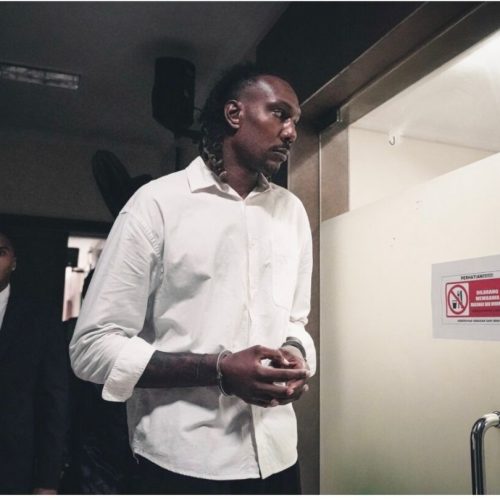
On June 9, 2025, Mike Tyson—former heavyweight champ turned cannabis mogul—stepped inside a DEA lab in New York City. But he didn’t just visit. He suited up in a DEA jacket, joined acting U.S. Attorney Alina Habba, and used the moment to promote his Tyson 2.0 cannabis brand while warning the public about fentanyl.
Let that sink in: the same DEA that locked up thousands for weed is now giving lab tours to one of the plant’s most famous champions.
From Knockouts to Cannabis Advocacy
Tyson’s journey from fighting in the ring to fighting for cannabis reform has been anything but predictable. The man who once battled addiction now runs a nationally recognized weed brand and speaks openly about the dangers of synthetic drugs like fentanyl.
Inside the DEA lab, he got a first-hand look at the tools used to analyze seized substances. What hit him hardest? Learning a pinhead’s worth of fentanyl can kill you. Tyson’s response: we need to stop the illegal spread before it spreads further.
His brand’s message that day? “Buy legal. Stay safe.” Tyson 2.0 emphasized the importance of tested, regulated cannabis over underground alternatives.
Political Timing or Pure Awareness Play?
The visit came right after Tyson met with Donald Trump at a UFC fight, a meeting that sparked speculation. Trump has shown past support for cannabis reform but stayed quiet lately. Tyson’s DEA moment, sandwiched between celebrity visibility and political proximity, suggests something bigger may be in motion.
Maybe it was just a well-timed campaign for safety awareness. Or maybe it was a quiet flex by the cannabis world—proving it can’t be ignored anymore, even by its historic enemies.
The Internet Had Questions
Once the pictures hit social media, X (formerly Twitter) did what it does best: explode with hot takes.
How is cannabis a schedule I but fentanyl that kills millions is schedule ll? Something is broken and needs fixing
— Mike Tyson (@MikeTyson) June 10, 2025
Some applauded Tyson for addressing the fentanyl crisis. Others clowned the irony of a weed brand owner getting cozy in DEA headquarters. The biggest point of debate? Tyson’s question on drug scheduling:
“Why is cannabis Schedule I but fentanyl, killing millions, is Schedule II?”
That post alone sparked thousands of shares and a fresh wave of criticism aimed at the DEA’s outdated classification system. While cannabis remains federally locked in a “no medical value” box, fentanyl sits one tier lower—despite being responsible for an overwhelming share of U.S. overdose deaths.
Here’s how X reacted:
| Handle | Post | Views | Likes |
|---|---|---|---|
| @BoxingKingdom14 | “Mike Tyson joins DEA’s fight to knock out fentanyl!” | 33,245 | 459 |
| @_TeddyBrosevelt | “Cannabis laws are broken when Tyson tours a DEA lab but Texas claims THC kills.” | 9,945 | 490 |
| @tomangell | “Tyson pushes cannabis safety at DEA lab amid rescheduling talks.” | 6,800 | 266 |
| @cubfanmo | “Tyson promotes weed at DEA lab after Trump meetup! $GTBIF $VRNOF” | 2,347 | 116 |
| @vocnederland | “Tyson asks why cannabis is Schedule I but fentanyl’s II. Fix this!” | 162 | 3 |
Some users highlighted the strategic nature of the visit. Others straight-up questioned the DEA’s credibility in the drug conversation. But the post that carried the most weight came from Tyson himself, throwing the classification system under the bus in front of millions.
DEA Energy: Evolving or Opportunistic?
Let’s be real. Tyson’s appearance at a DEA lab is symbolic. It doesn’t mean the agency suddenly loves weed. But it does suggest they’re at least paying attention to the cultural weight cannabis now carries. Whether it’s part of a soft pivot toward rescheduling or just optics remains to be seen.
Still, Tyson 2.0 using this space to push safety, transparency, and legal market integrity? That’s not just marketing. That’s messaging with muscle.
And it worked. The headlines followed. The tweet impressions stacked. And conversations around cannabis policy surged once again.
Final Round
Tyson’s DEA visit wasn’t just a one-off PR moment—it captured a moment in U.S. drug policy where lines are being redrawn. Cannabis entrepreneurs aren’t just lobbying from the sidelines anymore. They’re showing up in the belly of the beast, flipping the narrative, and doing it on their own terms.
Whether this changes DEA policy or just disrupts the conversation for a few news cycles, it’s a cultural moment that matters. And Tyson—like always—knows how to steal the spotlight.