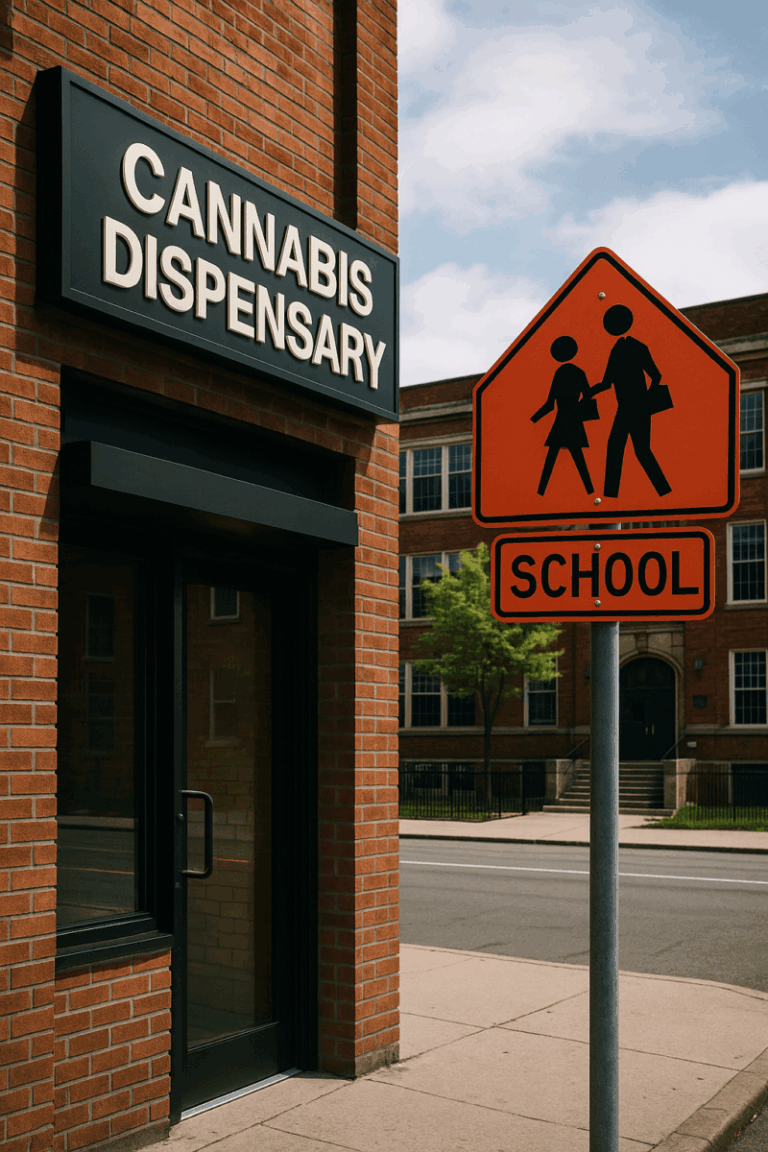
The legal cannabis market in New York continues to evolve, but not without growing pains. This week, the Office of Cannabis Management (OCM) dropped a bombshell that shook nearly 200 licensees and applicants across the state. In a letter sent directly to operators, OCM revealed that dozens of dispensary locations were approved despite violating state-mandated distance requirements from schools and churches. Now, operators must either move or risk losing their licenses altogether.
This development adds another layer of complication to New York’s already bumpy cannabis rollout. For many license holders—especially those from communities disproportionately harmed by prohibition—this feels like another setback in a system that promised equity but has struggled to deliver it consistently.
What Went Wrong?
The issue stems from a misapplication of zoning law during OCM’s early operational phase. State law prohibits dispensaries from operating within 500 feet of a school property line or within 200 feet of a church. However, the agency incorrectly measured distance from school entrances, not from property lines, resulting in approvals for locations that technically should have been ineligible.
This error, which was revealed during an internal review triggered by Governor Hochul’s administration, has now come back to haunt the agency—and the entrepreneurs who trusted its process.
Who’s Affected?
According to OCM, 105 license holders are directly affected by the ruling. Of those, 53 are in New York City, and 43 of them have yet to open their doors. Additionally, 47 applicants currently in the licensing pipeline were told they’ll need to modify their proposed locations to remain compliant.
This announcement hits especially hard for Conditional Adult-Use Retail Dispensary (CAURD) license holders, who were selected in part based on their justice-involved backgrounds or connections to communities heavily policed under cannabis prohibition. These entrepreneurs already navigated a brutal regulatory landscape, only to find out their approved locations are now under threat.
OCM’s Attempt to Course-Correct
Felicia Reid, Acting Executive Director of OCM, acknowledged the heavy impact in her communication to licensees. She expressed remorse for the situation and pledged that the agency would seek legislative relief that could allow some of the affected dispensaries to remain in place through a grandfather clause.
But for now, the directive is clear: dispensaries in violation of proximity laws must relocate before renewing their licenses. Those still applying must revise their business plans and find new properties.
The announcement underscores a larger theme that’s plagued New York’s legal cannabis market from the beginning—poor communication, slow approvals, and legal missteps that leave licensees holding the bag.
A Timeline of Missteps
The early days of OCM were riddled with lawsuits, delays, and accusations of mismanagement. Retailers were slow to open, cultivators were left with unsold harvests, and unlicensed smoke shops flourished while the state lagged behind on enforcement. Entrepreneurs who followed the rules often found themselves buried in red tape, while illegal operators ran unchecked.
This latest location error continues that trend, threatening to derail already fragile business operations—many of which are just now getting off the ground.
Grandfathering: A Real Possibility?
There’s cautious optimism that the state may introduce a fix. Reid confirmed that OCM is actively working with the Hochul administration and state lawmakers to push legislation that would grandfather in dispensaries already approved under faulty measurements. If passed, this would offer relief to those unable to find a new location before license renewal deadlines.
However, legislation takes time, and there’s no guarantee it will pass. Operators need clarity now, not months from now. Some are already exploring costly relocation options. Others are calling for immediate legal action or appeals processes that would allow them to stay in place while new laws are debated.
Community Fallout
Beyond the businesses themselves, local communities are affected too. Many of the dispensaries flagged for relocation are located in underserved areas that were promised jobs, reinvestment, and safer access to legal cannabis. These communities now face uncertainty as businesses they welcomed prepare to shut down or relocate.
Some municipalities may also lose tax revenue they had already budgeted based on projected dispensary income.
Trust in the System
This latest incident raises tough questions about trust. Entrepreneurs followed the state’s rules, secured real estate, made investments, and in some cases, opened storefronts—all based on location approvals from OCM. Now, through no fault of their own, they are being penalized.
If the state hopes to keep small businesses in the legal cannabis market—and not drive them into the illicit space—it must move quickly and transparently to resolve this issue.
What Comes Next?
Until new legislation passes or additional guidance is issued, affected operators have limited options. They can relocate, attempt to secure a waiver or wait for the state to pass a grandfather clause. None of these paths are easy, and all come with additional costs and risk.
In the meantime, OCM will need to continue its work to rebuild credibility and provide the support these entrepreneurs deserve. Fixing the past is just as important as planning for the future.
This moment could be a turning point—if handled correctly. The cannabis industry in New York is still young, and there’s time to course-correct. But if leadership continues to let regulatory mishaps fall on the shoulders of small operators, the promise of equity-driven cannabis in New York may never be fully realized.
Black Cannabis Magazine is your go-to platform for cannabis culture, news, and lifestyle content with a focus on diversity and inclusion. For more information, visit www.blackcannabismagazine.com.
Copyright 2025 Black Cannabis Magazine. Distributed by Hazey Taughtme, LLC.