There’s a new street drug taking hold in West Africa—and it’s not what you think. It’s called “Kush,” but don’t confuse it with the traditional cannabis strain popular in the U.S. and abroad. This version is a toxic cocktail of synthetic chemicals that’s leaving young people in Sierra Leone and neighboring countries sick, immobile, and in some cases—dead.
Not Your Average Weed
Let’s make this clear: the “Kush” we’re talking about here isn’t cannabis. While the name might sound familiar, especially to anyone in weed culture, the drug currently destroying communities in Sierra Leone is something else entirely. It’s a manmade mix of dangerous substances including cannabis, fentanyl, tramadol, formaldehyde, and in some disturbing reports—even powdered human bone. These ingredients are blended by criminal networks with access to internationally sourced pharmaceuticals and chemicals.
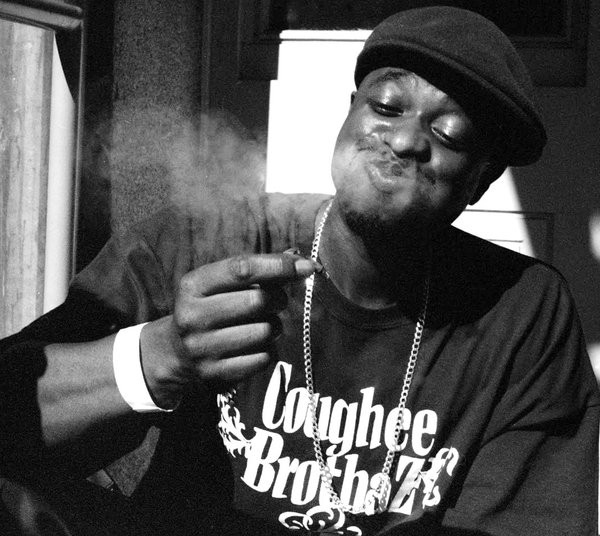
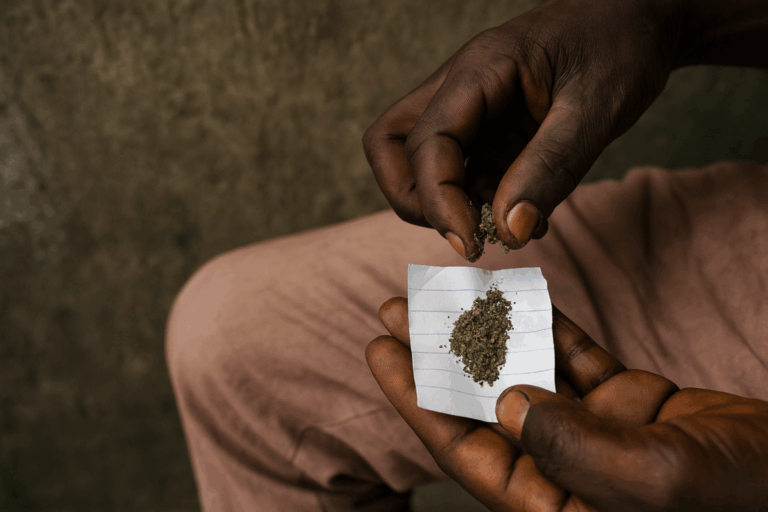
This new form of Kush is smoked like marijuana, rolled up in joints using leaves that appear marshmallow-soft and grey-green in color. But instead of relaxation or euphoria, users often experience hallucinations, immobility, and total loss of bodily control.
The Toll on Young Lives
The hardest hit demographic is young men between the ages of 18 and 25. In communities across Sierra Leone—especially the capital city of Freetown—Kush is everywhere. Local reports estimate that roughly a dozen people die each week as a direct result of the drug. That doesn’t include the thousands still living with visible signs of the drug’s damage: open sores, damaged limbs, and the inability to walk properly.
There are countless stories of people falling asleep while walking, banging their heads on pavement, or stumbling into traffic. Some young women who used the drug during pregnancy are now caring for sick infants covered in painful rashes and developmental delays.
A Global Problem with Local Consequences
Even though this version of Kush is being distributed by local gangs, its roots stretch far beyond the borders of Sierra Leone. The fentanyl involved is often sourced from illegal labs in China, while tramadol—a painkiller abused for its euphoric effects—comes from unregulated pharmaceutical factories across Asia. Thanks to the internet and digital supply chains, these deadly ingredients are easier than ever to obtain.
It’s not just Sierra Leone feeling the pressure. The drug’s impact is spreading quickly to Liberia, Guinea, Guinea-Bissau, and the Gambia. Everywhere it shows up, the results are the same: addicted youth, overwhelmed health services, and families left to pick up the pieces.
Cheap But Deadly
What makes this Kush so dangerous is also what makes it so accessible: the cost. A single joint costs around five leones—roughly 20 UK pence or 25 U.S. cents. That joint might be shared between two or three people, but some users reportedly smoke up to 40 joints a day. That’s nearly $10 daily in a country where the average annual income is just £500 (about $630). The economics of addiction are devastating families who are already living in poverty.
Highly Addictive and Ever-Evolving
One of the most alarming characteristics of this Kush is how quickly it adapts. Since it’s not produced in any regulated or consistent way, the formula changes based on what’s available. In recent lab tests, researchers have found nitazenes in the mixture—a class of synthetic opioids far more potent than fentanyl.
This evolving recipe makes it nearly impossible for health professionals to predict outcomes or design interventions. What someone smokes today could be radically more toxic than what they smoked last week.
A Crisis of Public Health and Misinformation
Part of what fuels the spread of Kush is the misunderstanding around what it actually is. The name “Kush” carries cultural weight in the global cannabis community. In the U.S., Kush refers to premium indica-dominant weed known for its calming effects. But this West African version is nothing like that.
The lack of education and awareness has led some youth to try the drug, thinking it’s just weed. By the time they realize it’s not, they’re already hooked. With limited access to addiction treatment services, families are left scrambling to care for their loved ones with no institutional support.
Digital Dealers and Chemical Warfare
It’s not an exaggeration to say that Kush represents a new form of chemical warfare on the world’s most vulnerable. The digital era has made drug dealing more sophisticated. Gangs can access synthetic opioids with just a few clicks. The dark web and social media platforms have become distribution channels. Meanwhile, enforcement agencies across West Africa are underfunded and outmatched.
The Need for a Global Response
This isn’t just a local problem—it’s a global red flag. What’s happening in Sierra Leone today could easily happen elsewhere tomorrow. The combination of unregulated internet commerce, synthetic drugs, and economic instability creates the perfect storm for a global drug crisis.
Countries like the U.S. need to support efforts to monitor and cut off supply chains for fentanyl and other synthetic drugs entering Africa. At the same time, more funding must go toward education, harm reduction, and rehab programs on the ground in West Africa.
Cannabis and Kush Are Not the Same
It’s critical to stress that this crisis has nothing to do with the cannabis industry as most of us know it. Legal, regulated cannabis—whether for medical or recreational use—has no connection to what’s being sold as Kush in West Africa. These two products couldn’t be more different in origin, purpose, or impact.
The word “Kush” in cannabis culture once referred to flower strains with roots in the Hindu Kush mountains. Now, unfortunately, it’s being misused and weaponized—causing confusion and tragedy on a massive scale.
Final Thoughts
There’s no easy fix for what’s happening in West Africa right now, but awareness is a start. If we can educate people on the real difference between cannabis and the synthetic poison that’s circulating under the same name, we can begin to disrupt its grip on vulnerable communities.
Black Cannabis Magazine is your go-to platform for cannabis culture, news, and lifestyle content with a focus on diversity and inclusion. For more information, visit www.blackcannabismagazine.com.
Copyright 2025 Black Cannabis Magazine. Distributed by Hazey Taughtme, LLC.